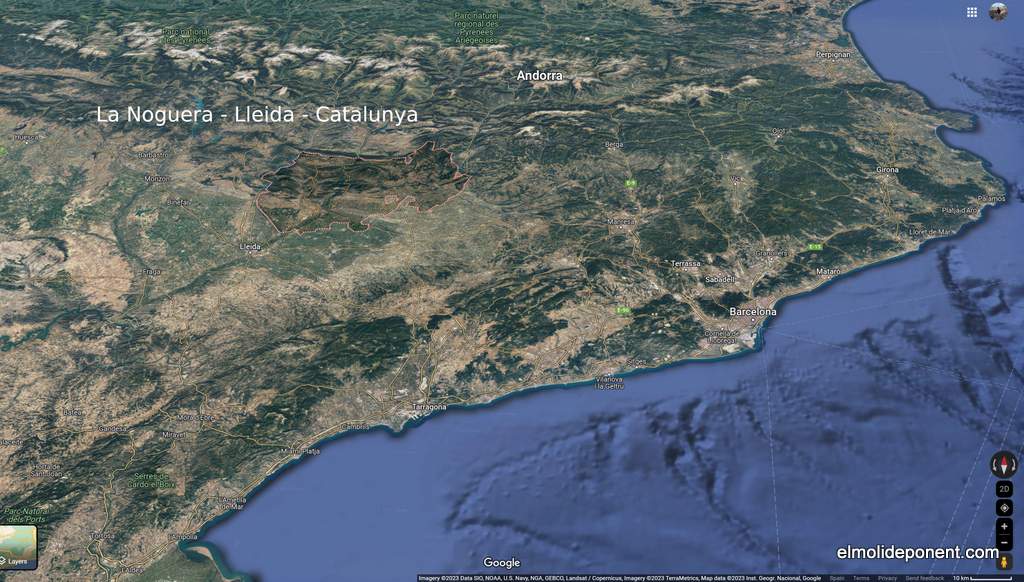
Discover the wonders of La Noguera: activities for families and history buffs, prehistoric heritage and medieval, exuberant nature, local gastronomy and exciting adventures outdoor. Explore the Mont-rebei Gorge, caves and medieval monuments. Enjoy climbing in the Cova Gran de Santa Linya and sports nautical in the calm waters of the reservoirs from Camarasa, Canelles, Santa Anna, Sant Llorenç de Montgai and Rialp. A unique destination in Catalonia for all tastes.
- Discover Balaguer, capital of Noguera.
- Where to find organized activities?
- Which towns can't I miss?
- Our gastronomy.
- Our heritage.
- What excursions can I do on foot?
- Tours to do by car.
- The climbing paradise.
- Active tourism and calm waters.
- What can I do today?
Territory Activators
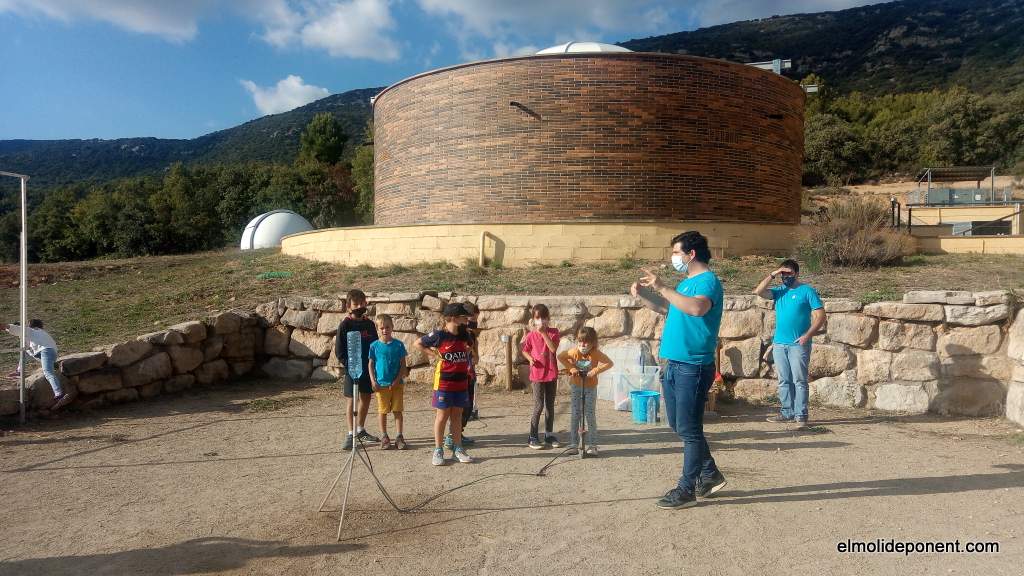
For Families with Children
In Balaguer, the capital of Noguera, we can search for gold in the Segre River with the Center for Gold Interpretation, which is part of the Noguera Museum.
In Camarasa, with Origins Space, we can learn about the Neanderthals and participate in other activities related to prehistoric, historical, and natural heritage in the surroundings of the Mont-roig mountain.
At the Montsec Astronomical Park in Àger, in addition to observing space, various activities related to astronomy and science are organized.
At the Seró Transmitter Space, activities related to prehistory are carried out.
The West Natural Spaces project, in Noguera, introduces the Montsec mountain, the Segre - Noguera Pallaresa confluence, the slopes of Noguera Ribargorçana, the Serra Llarga, and the Segre - Noguera Ribagorçana confluence, organizing various very interesting activities during the year.
For Adults
At the Monastery of Las Avellanas, many interesting activities are organized, such as medieval dinners, historical events, and nighttime concerts.
Castell del Remei has established a Foundation with the aim of preserving its valuable heritage. Through this initiative, various activities are organized, including yoga, jazz, exhibitions, wine tastings, concerts, and races.
Small but Unique Villages
Sant Llorenç de Montgai, a natural reserve for waterbirds, is my favorite place in Noguera. When I visit, I can feel my heart rate slowing down.
Alòs de Balaguer, more remote, is the realm of hunters and fishermen.
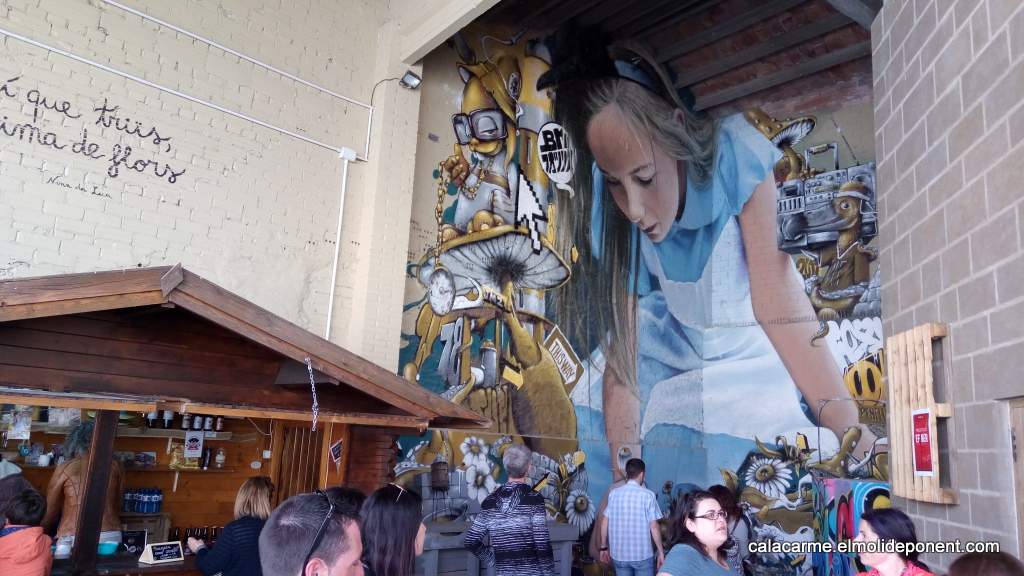
Penelles has become the capital of Street Art in Lleida.
Tiurana with its starlight certification is the ideal place to spend summer nights.
Gastronomy
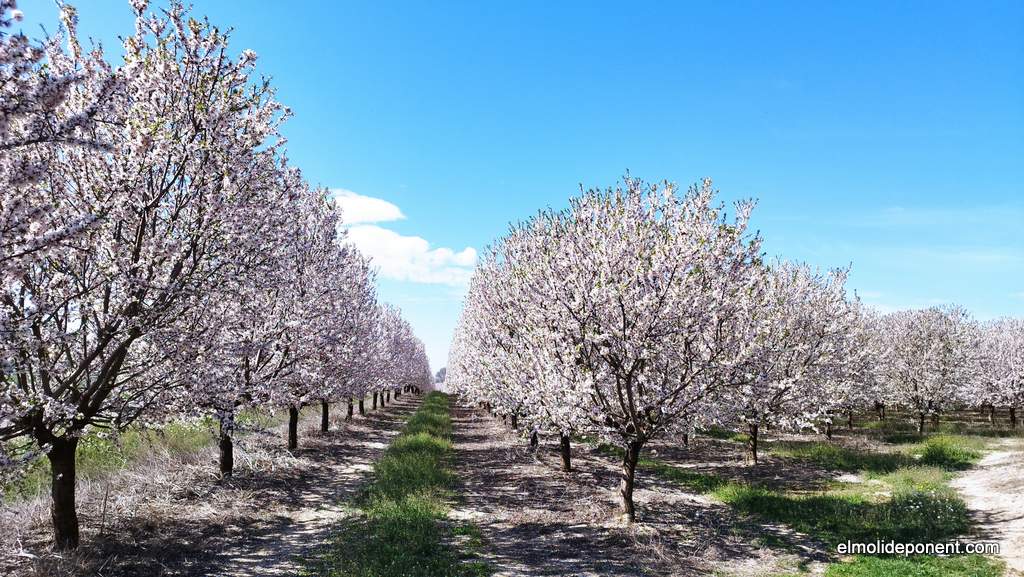
Barley, wheat, almond trees, olive trees, vineyards, honey, milk, and the orchard all contribute to the rich gastronomy of Noguera. Additionally, there are small workshops that transform these elements into wine, beer, cheeses, jams, samfaina cakes, and many other culinary delights. These products end up nourishing our restaurants that are gaining culinary excellence day by day.
Heritage

From prehistory, we have the rock paintings of the Vilars cave in Os de Balaguer, the archaeological site of the Parco cave in Alòs de Balaguer, the Neanderthal shelters of the Cova Gran in Santa Linya, and the Roca dels Bous in Sant Llorenç de Montgai. We also have fossil sites like la Pedrera in Vilanova de Meià.

In the medieval period, Noguera was a borderland and part of the County of Urgell, where castles, monasteries, and Romanesque hermitages were built, such as the Monastery of Santa María de las Avellanas, the Montsonís Castle, and the collegiate church of Sant Pere d'Àger.
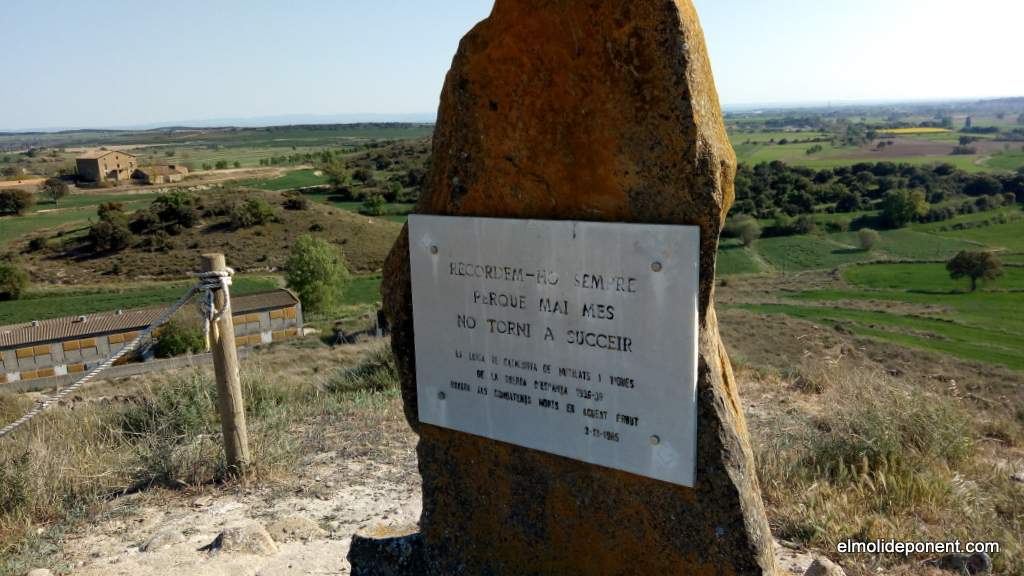
There are also Spaces of Memory from the Spanish Civil War, such as the Merengue hill in Camarasa and the wartime remnants around the Cap de Pont in Balaguer.
We must not forget the extensive heritage of Balaguer, the capital of Noguera, and its walls within which the three monotheistic cultures, Christians, Muslims, and Jews, coexisted.
Hiking Excursions
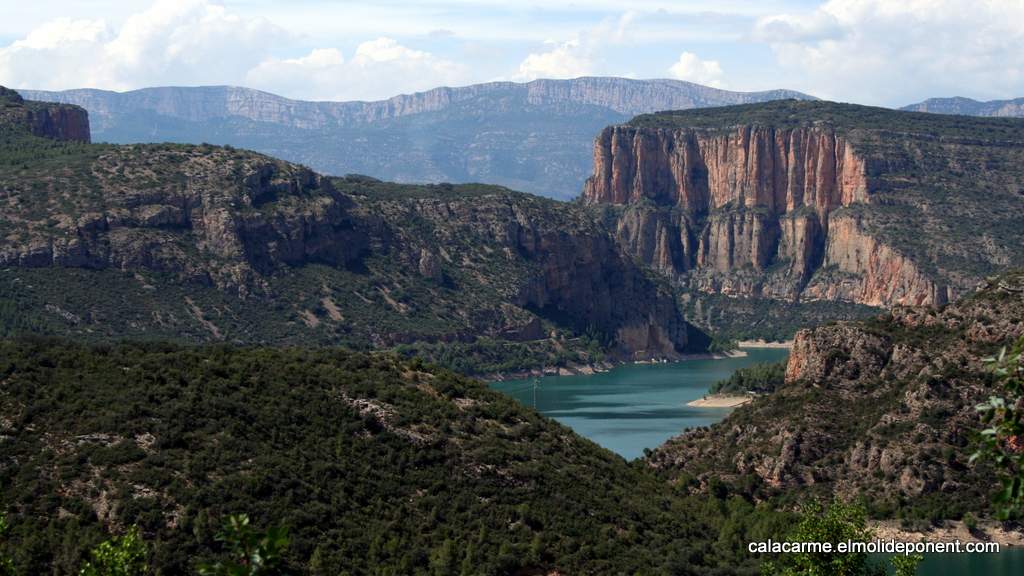
The quintessential hike in Noguera is the Mont-rebei Gorge, but it's also wonderful to explore the Mu Gorge and visit the Tobacco Cave.
The Montsec, Mont-Roig, Sant Mamet, and the Montclús mountain range offer countless possibilities, such as hiking to the Pedrera de Meià from the Santa Maria de Meià side or from the Doll Road near to Terradets.
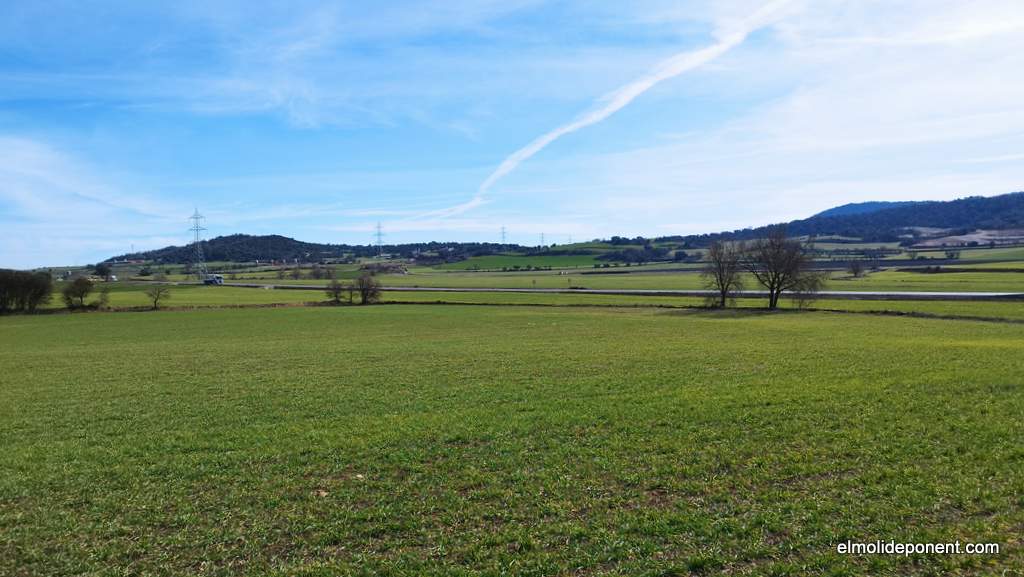
Exploring the plain with its fields that change color with the seasons, collecting thyme, rosemary, asparagus... Open spaces that are a delight to the senses.
Motorized Excursions
Our preferred motorized route, whether on a motorcycle or in a car, is the circuit around Montsec de Rúbies, passing through the Doll Road, Terradets, Barcedana Valley, El Pas Nou, and Vilanova de Meià Valley.
The Montsec, Mont-Roig, Sant Mamet, and the Montclús mountain range offer countless possibilities for 4x4 routes, such as visiting the Balconet de Santa Linya, ascending Sant Mamet, or exploring the abandoned village of Rúbies.
Rock Climbing
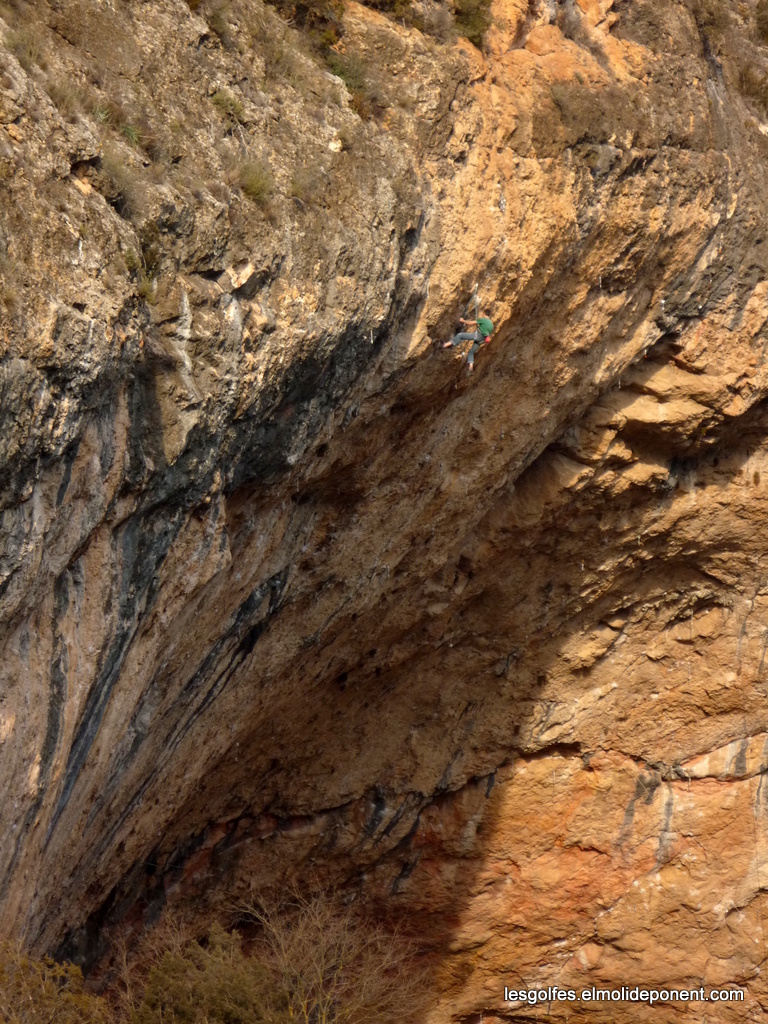
The Cova Gran de Santa Linya is world-renowned in the rock climbing community. Chris Sharma lived in Sant Llorenç de Montgai for many years. Accommodations in Camarasa are always filled with climbers from all over the world.
Active Tourism - Land, Air, Water
In Àger, the capital of Montsec de Ares, the spirit of adventure sports permeates the environment. It's an area renowned for free-flying, with a special emphasis on paragliding and hang gliding. You can also enjoy hot air ballooning, ultralight flying, as well as gliding and paramotoring. Several specialized companies and schools offer courses, introductory flights, g uided outings, and equipment rentals.
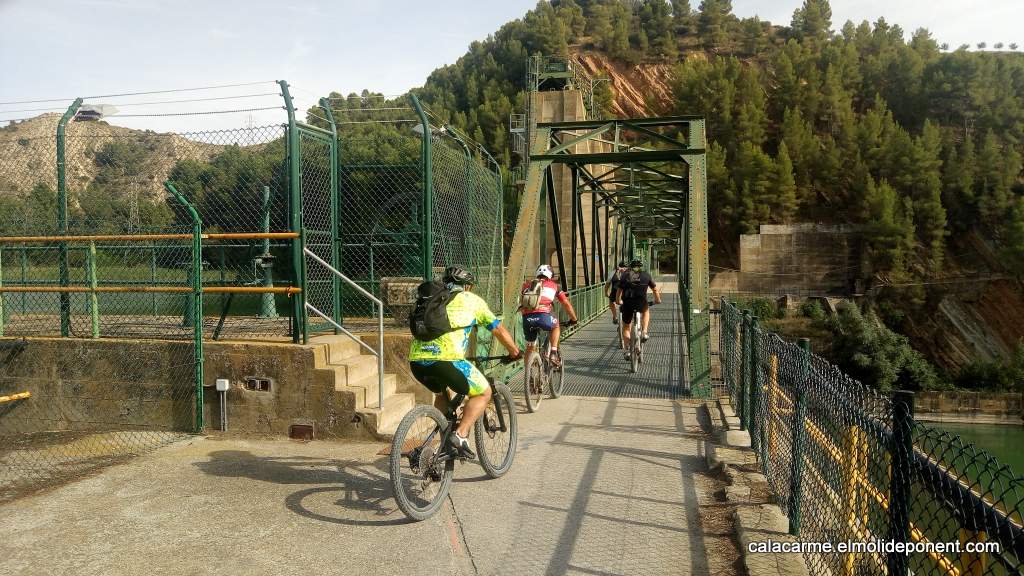
The reservoirs of Camarasa, Canelles, Santa Anna, Sant Llorenç de Montgai, and Rialp, the largest area of calm waters in Catalonia, are ideal places for water sports, including kayaking, canoeing, water skiing, and sailing.
Agendas
Cartells de Ponent Agenda Ajuntament Balaguer Espai Origens - Activitats Museu de la Noguera - Activitats Agenda Ara Lleida - La Noguera Surt de Casa - Ponent Fundació Castell del Remei - AgendaMore information
The best restaurants in La Noguera The rich heritage of Noguera Excursions in Noguera Towns of Noguera La Noguera Festivals Sports in Noguera Special activities in NogueraIn other languages
Catalan version Spanish versionLocation